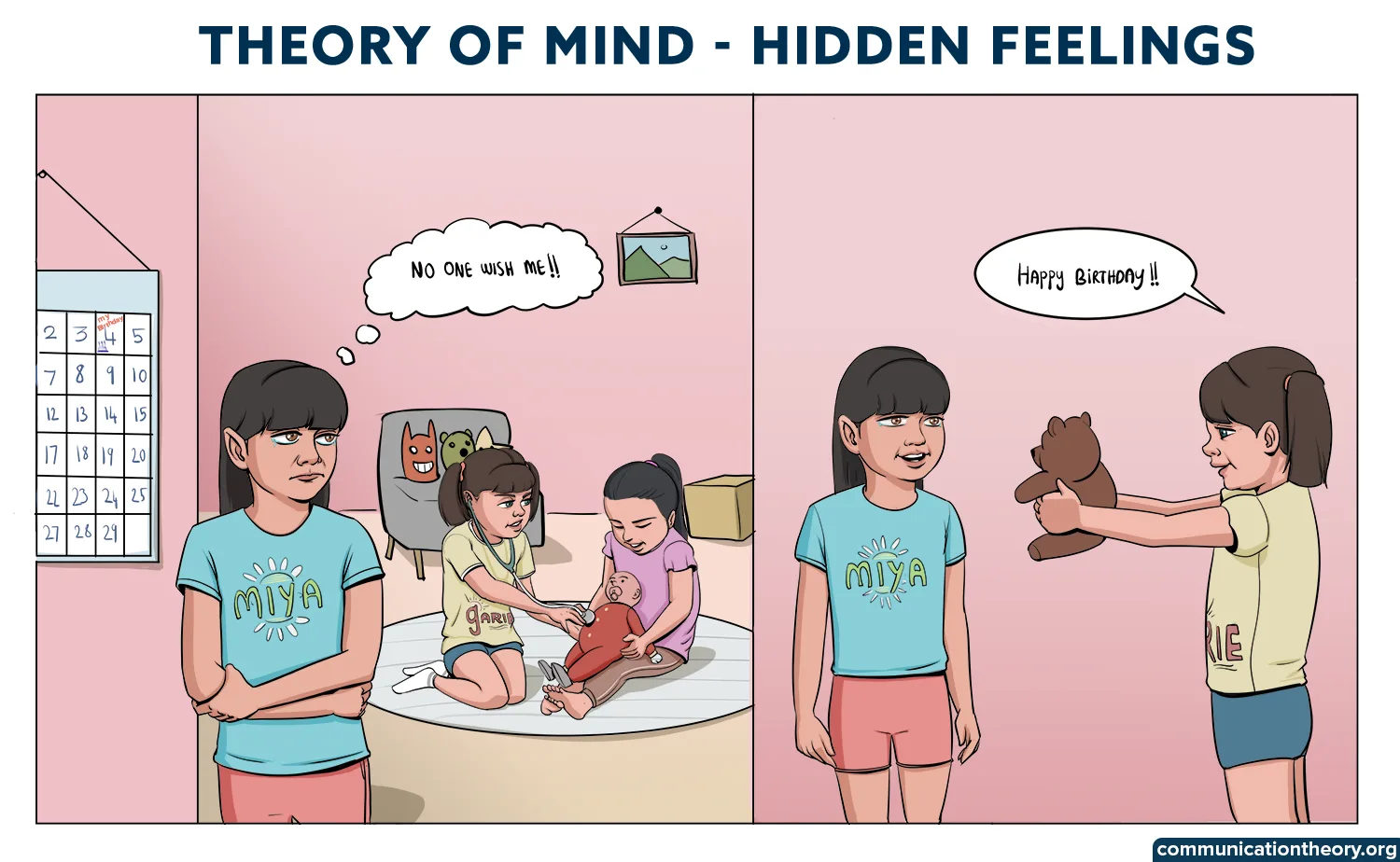
Theory of mind is the tendency or ability to interpret others by labelling mental states onto them. These states include our own biases, beliefs, intentions, thoughts, emotions, desires and opinions. The theory of mind, as the name suggests, includes ‘theories’ that we form for other people’s thoughts and feelings and how they come to exist.
[continue reading…]
{ }
What Is Metacognition?
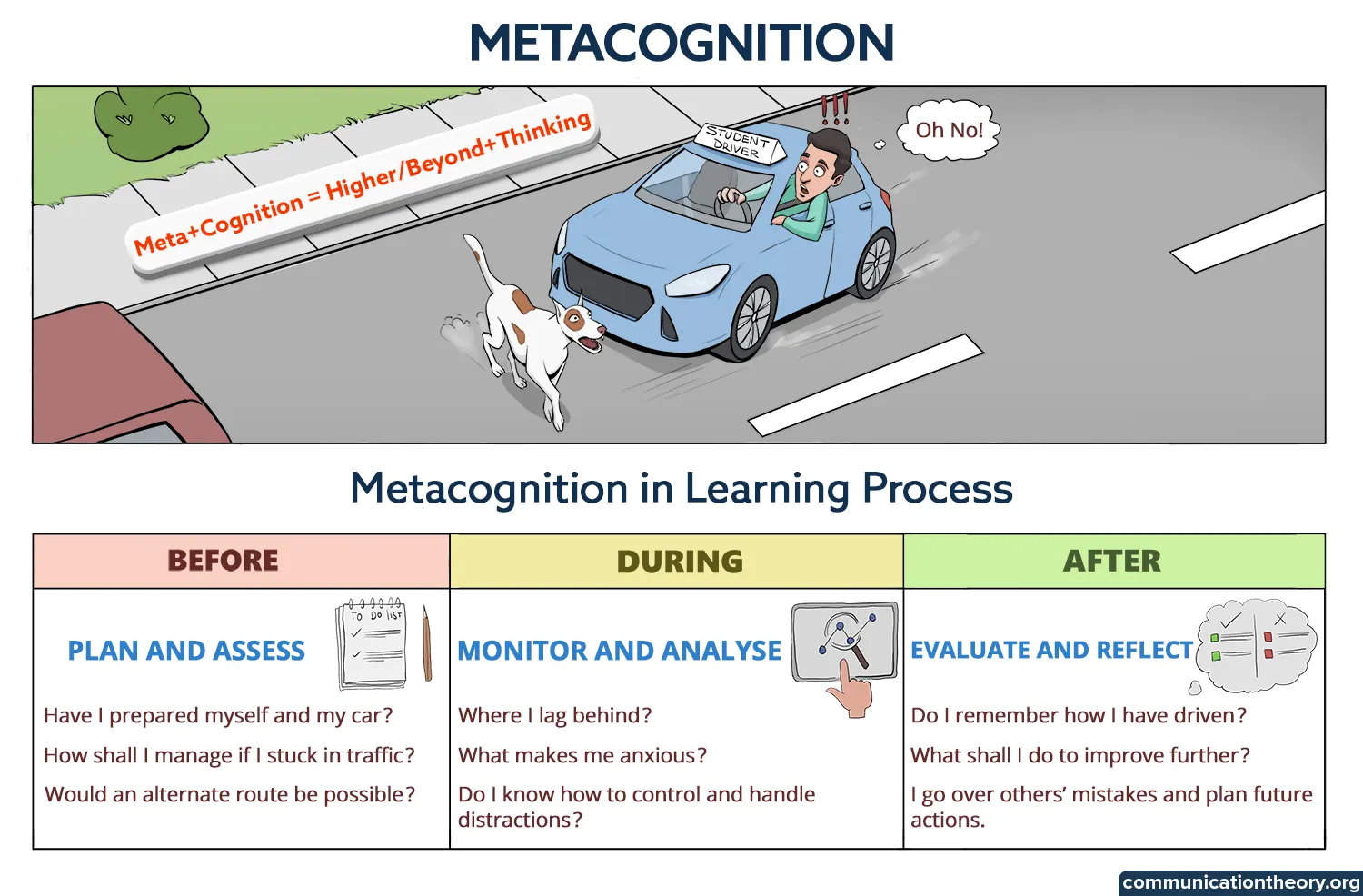
Metacognition is the awareness of one’s thought processes, feelings and emotions. In simple terms, it means to think about thinking, to be aware of one’s thoughts, to evaluate their nature and to regulate them. For example, when a person analyses their thoughts about sexuality, it can be called metacognition.
[continue reading…]
{ }
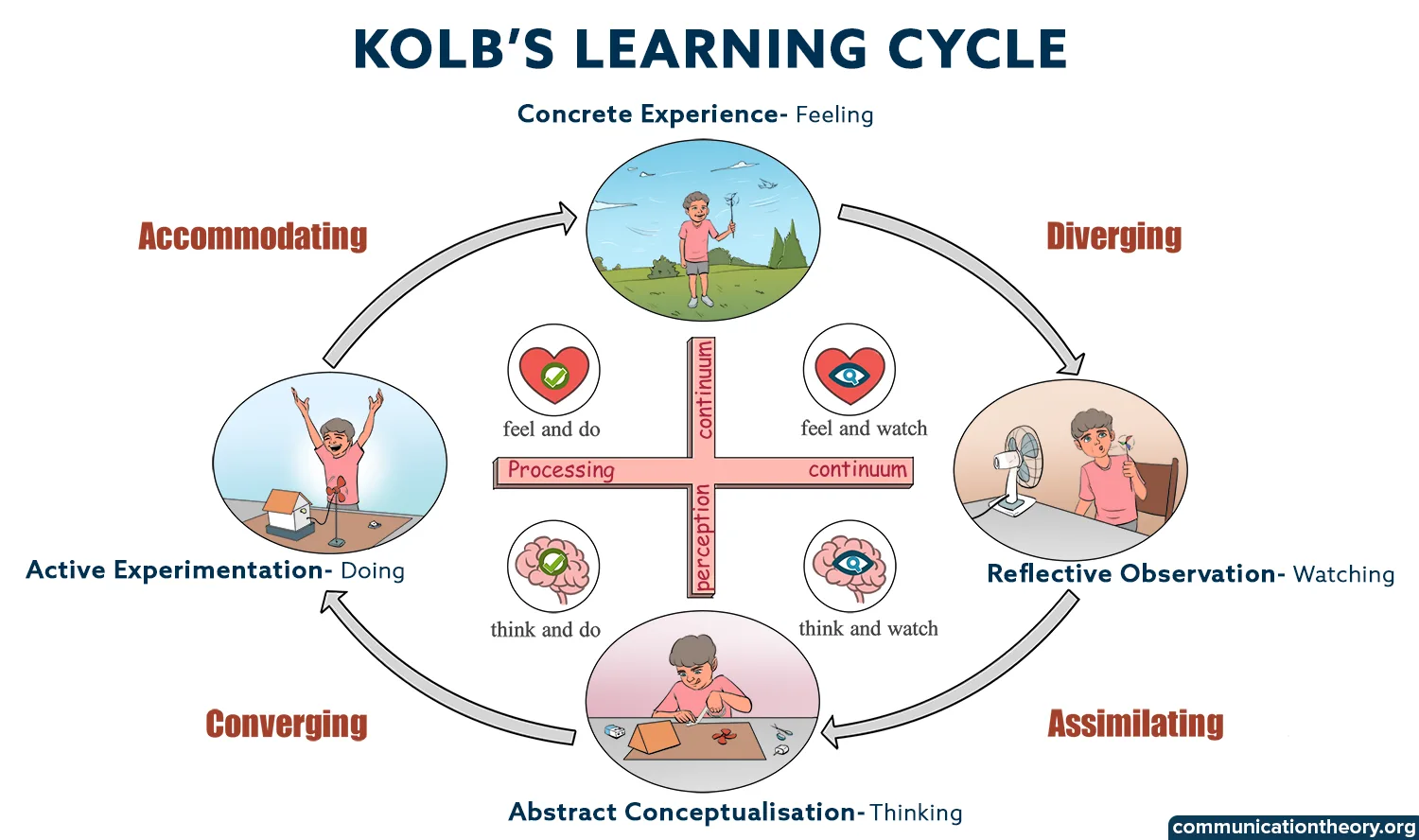
George is a 9-year-old child. He spots a lighter on a table and attempts to play with it. A hint of fire comes out and touches his finger. He feels the pain and learns that fire is dangerous, and that lighters are not meant to be played with. This incident or experience teaches him something.
[continue reading…]
{ }
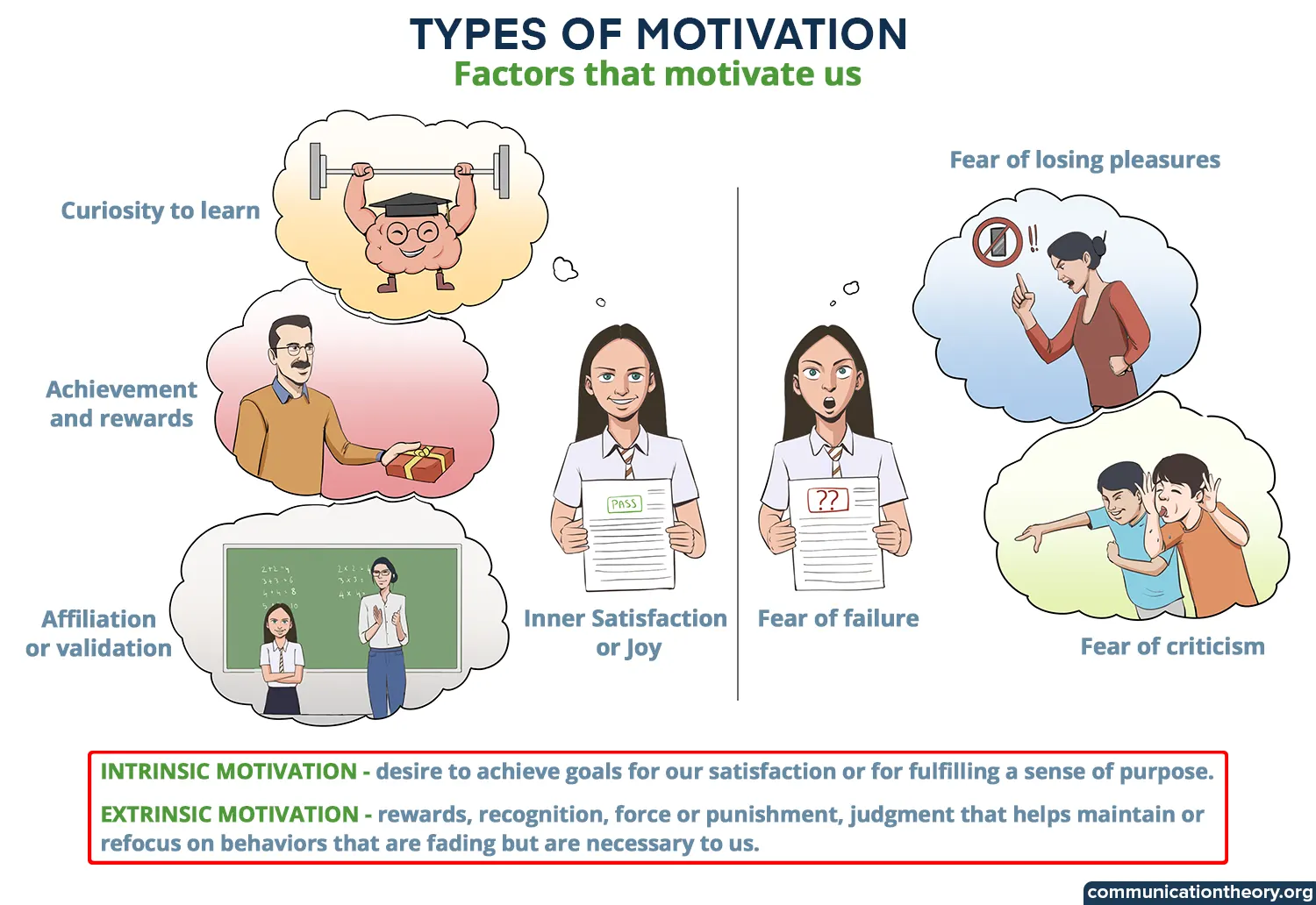
Griffin works at a firm, is planning to pursue a PhD and makes time for the gym as well. How does he do these things? This includes a combination of various factors that keep motivating him. He is being motivated through rewards, money and incentives and enjoys continuing his job. His interest and thirst for knowledge drive him in pursuing a PhD. Going to the gym for his health and fitness could be because of his health and beauty concerns.
[continue reading…]
{ }
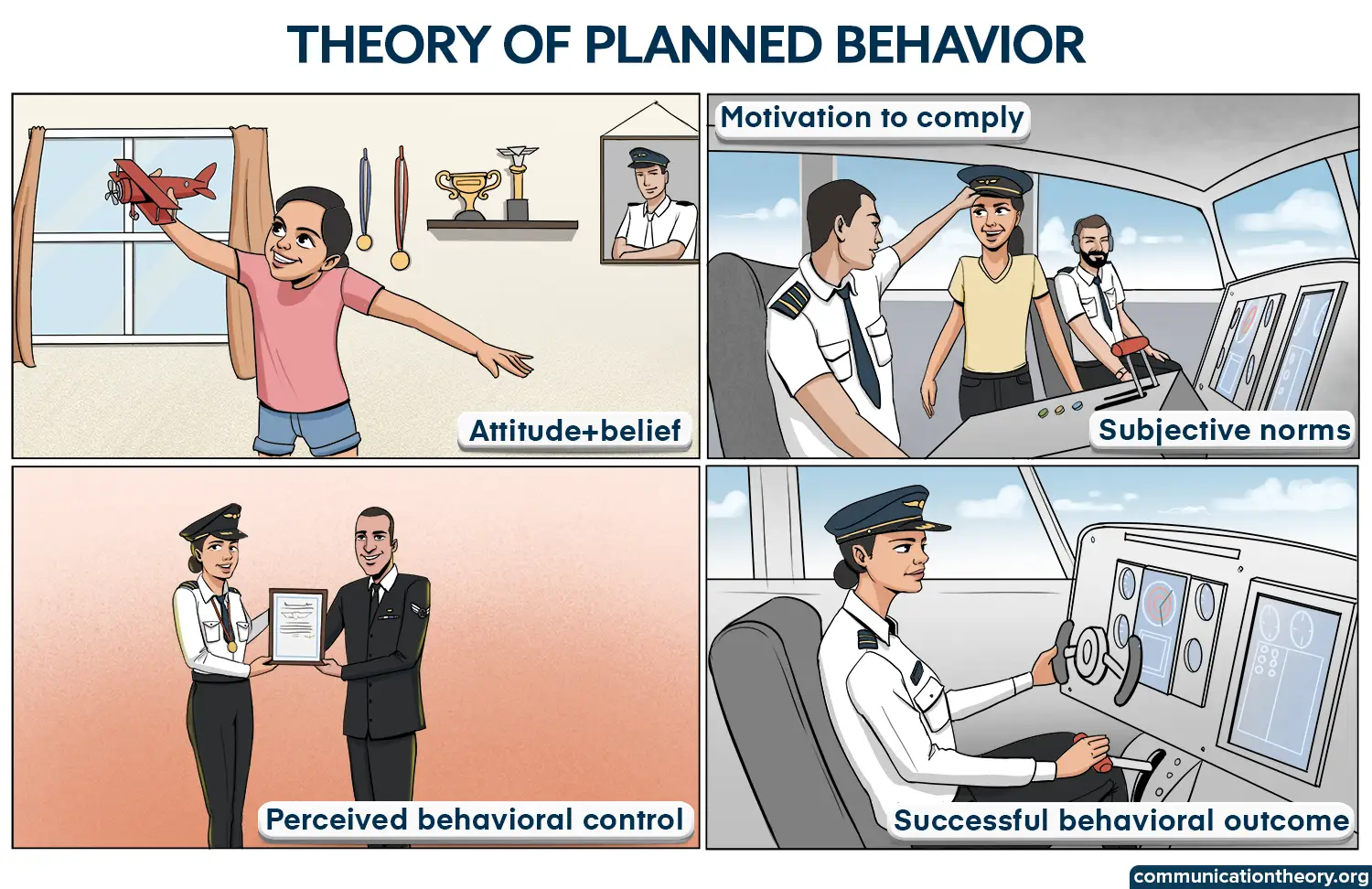
The theory of planned behavior (TPB) is very similar to that of the one which slightly preceded it and that is the theory of reasoned action. Although these two theories came during a different timeline, they predominantly hold the same assumptions about behavior. TRA and TPB believed that behaviors are influenced by intentions and intentions are created from attitudes.
[continue reading…]
{ }
Thinking is defined as a cognitive behavior in which ideas, images, and mental symbols are created (American Psychological Association). Thinking includes imagining, remembering, concept formation, daydreaming, etc.

[continue reading…]
{ }
Have you ever heard a song or tune from your childhood and felt an instant rush of nostalgia or happiness? That tune and the happiness/nostalgic feeling are interconnected by association, which we call Classical Conditioning.
Classical Conditioning is a psychological phenomenon in which one learns by pairing two or more stimuli to create an association. It is the process of creating a link between a conditioned stimulus and a conditioned response.

[continue reading…]
{ }
Introduction
Dr. Seymour Feshbach is an eminent professor in the department of psychology at University of California, Los Angeles (UCLA). He was born in New York City at 1925; In 1951, he was awarded PhD in psychology at Yale University.

[continue reading…]
{ }
Introduction
Muted group theory is a critical theory concerning the certain groups of people who remain powerless compared to the others.

[continue reading…]
{ }
Introduction
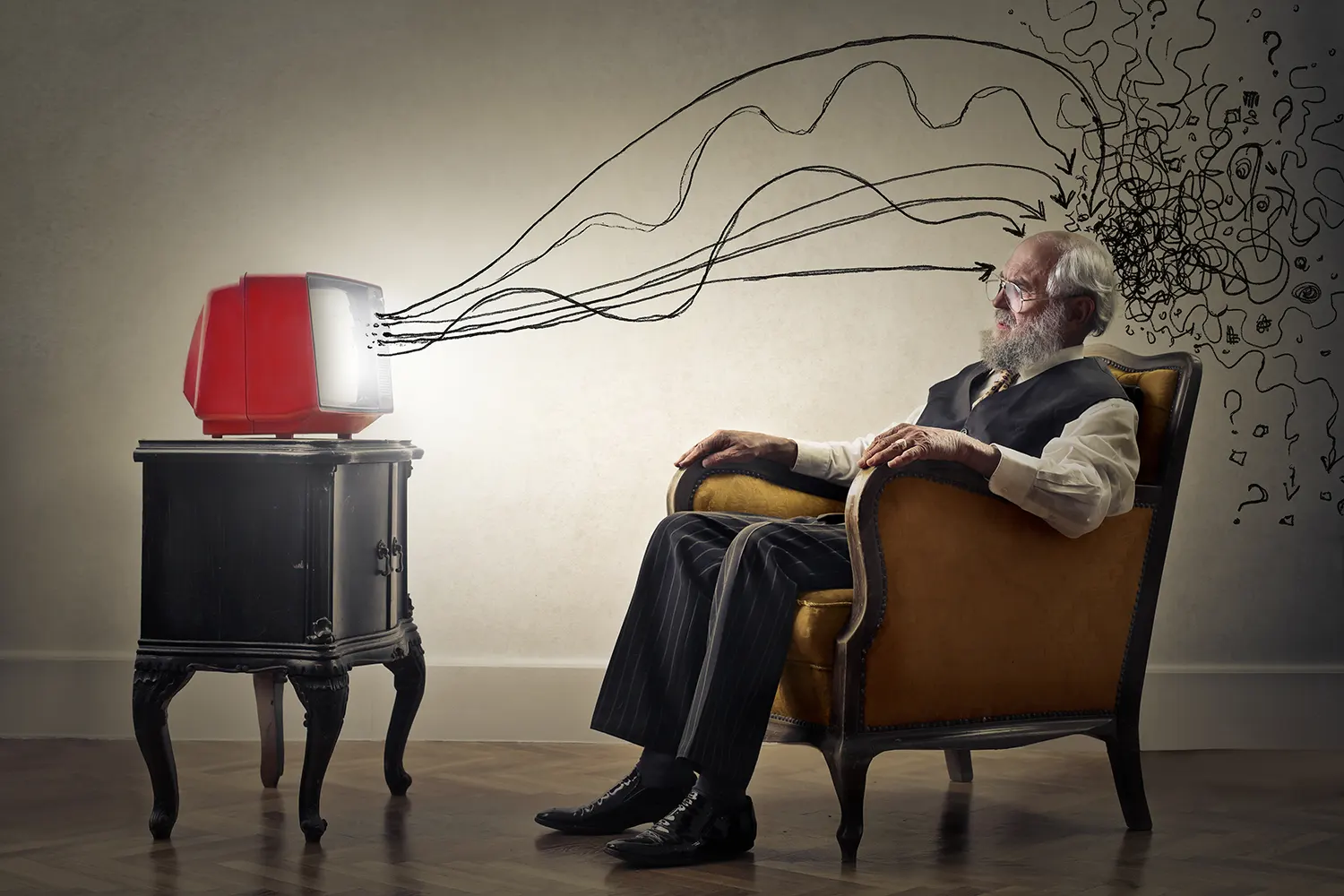
Media effects refer to how mass media affects its audience in decision making. Priming is considered as the predecessor of agenda setting, one of the theories of media effects. Priming has its base in cognitive psychology which relates to associative network model of human memory. This concept details how one thought may generate associated thoughts.
[continue reading…]
{ }
Introduction
Everett Rogers (1931 – 2004) was born at Carroll, Iowa in his family’s Farm. He was well-known Professor, Researcher, advisor and a former editor for a newspaper and reporter too. He earned his PhD in 1957 at Iowa State University of Science and Technology in the field of Sociology and statistics.

[continue reading…]
{ }
History
Mark .l Knapp (born on July 12th, 1938) is a renowned teaching professor at the University of Texas and is greatly known for his works in nonverbal communication research and in evolving interactions. He developed a theoretical model for relational enhancement which routes the interpersonal development between two people.

[continue reading…]
{ }
Amy is well aware of the benefits of engaging in some form of physical activity. Yet, she wakes up feeling zero motivation to move her body an inch. So she chooses to stick to her daily routine of waking up, glugging down a mug of cold coffee and driving her way to the office. She feels guilty about it every single day and decides things will change tomorrow.

[continue reading…]
{ }
Introduction
In the mid 20th century most of the developing countries and third world nations have used this social responsibility theory of the press, which is associated with “the Commission of the Freedom of Press” at United States in 1949.

[continue reading…]
{ }
An effective communication takes place when the message sent across by the conveyer is clear and easily comprehended by the receiver and relevant response is fed back to the one who conveyed the message and the flow continues similarly.

[continue reading…]
{ }
Does “communicate” only mean talking and having verbal conversations? Won’t anything beyond that be considered as a form of communication?

[continue reading…]
{ }
Communication is a tool with which we exercise our influence on others, bring out changes in our and others’ attitudes, motivate the people around us and establish and maintain relationships with them.

[continue reading…]
{ }
As things become heated up, a big argument spews between Nicole and Petra. They are throwing cuss words and hurtful statements at each other without realizing the kind of consequences it would later lead to. In that overwhelming moment, both forgot everything about each other and let their impulses completely take over.
So what is the matter exactly?

[continue reading…]
{ }
Imagine going through a stressful event. An ending of a relationship or a loss of a job. These events generally might cause stress, trauma, anger, or frustration.
When events or people cause us to feel these feelings, we often feel the need to release our emotions. This release of emotions is termed catharsis. This release of emotions can be done through physical activity or any other non-harmful form of activity.

[continue reading…]
{ }
The Wheel of Life is a component of positive psychology. This component originated from Tibetan Buddhism and it describes personal happiness and focuses on how to achieve balance in life.
Happiness and success are important factors of this concept. The idea of this concept originated from Tibetan Buddhism and then the founder of Success Motivation Institute, Paul J Meyer further developed it in more detail.
[continue reading…]
{ }
If you were playing a free association word game, and someone said ‘blue,’ it would be more likely that you would say ‘sky’ rather than ‘boat’ or ‘butterfly.’
This happens because the sky and blue are more related to memory than the boat or butterfly. This tendency is called priming.
[continue reading…]
{ }